

Seoul Planespotter Gifts • ICN Airport Code Gear for Avgeeks

YHM Designs is your source for airport code merchandise for Seoul and cities across Asia, Europe, North America, and beyond — hats, mugs, hoodies, throw pillows, blankets, tote bags, and more, each built around the three-letter IATA code that defines a place. Whether you're shopping for a dedicated planespotter or wearing your own passion for aviation, you'll find the gear below. First, here's what you need to know about spotting in Seoul.
Planespotting in Seoul
Seoul is served by two airports that together make it one of the most rewarding multi-airport planespotting destinations in Asia. Incheon International Airport (ICN), built on reclaimed land off the western coast, is South Korea's primary global gateway and a massive fortress hub for Korean Air and Asiana Airlines — handling a high-density stream of international widebodies, heavy cargo freighters, and transpacific long-haul traffic across one of the largest parallel runway grids in the world. Seoul Gimpo International Airport (GMP), tucked into the northwestern edge of the city, keeps a relentless pace of its own: it hosts the Seoul-to-Jeju corridor, consistently ranked as the single busiest domestic air route in the world, with Korean Air and Asiana regularly deploying Boeing 777s and Airbus A330s on the short one-hour hop. Between ICN's world-class official observatory and GMP's rooftop mall terraces and subway-adjacent threshold spots, Seoul offers an exceptional range of spotting infrastructure for every style of aviation enthusiast.
Planespotting at Incheon International Airport (ICN)
ICN operates four active parallel runways running northwest-to-southeast: 15L/33R, 15R/33L, 16L/34R, and 16R/34L. Shifting coastal wind patterns dictate whether the airport runs in North Flow (landing on the 33s) or South Flow (landing on the 15s and 16s) — always verify active arrival corridors on Flightradar24 before selecting your position, as the runway complexes are separated by significant distance. The peak wave for long-haul transpacific and European arrivals typically touches down between 11:00 AM and 4:00 PM daily.
Oseongsan Mountain Observatory — Deokgyo-dong, Jung-gu
Located on Oseongsan Mountain outside the airport grid at 200-5 Deokgyo-dong, Jung-gu, the Incheon Airport Observatory is widely regarded as the premier planespotting location at ICN — and one of the finest dedicated aviation observation facilities in Asia. Built by the airport authority specifically for aviation enthusiasts, the public pavilion features an outdoor terrace, indoor climate-controlled seating, free vehicle parking, and clean restrooms. The ridge elevation clears all security fencing entirely, delivering a world-class panoramic view of the western runway complex including Runways 15R/33L and 16/34. Open daily from 10:00 AM to 4:00 PM, with closures during severe winter weather — the essential first stop for any spotter visiting ICN.
Terminal 2 Observation Deck — 5th Floor
Located pre-security in the public zone of Terminal 2, this officially sanctioned indoor viewing hall features massive floor-to-ceiling glass windows looking directly down onto the Terminal 2 gates and active ramp pushbacks. Educational aviation exhibits, a digital flight simulator experience, and a cafe are all on site — and the entire facility is free to visit without a boarding pass. The most comfortable all-weather spotting position at ICN, and an ideal complement to the outdoor Oseongsan Observatory on days when coastal winds make the ridge exposed.
Sky Garden (Haneul Garden) — Runway 15L Approach
Along the southern perimeter boundary near the airport's magnetic levitation train maintenance tracks, this expansive municipal park features open grass fields and walking trails positioned directly beneath the Runway 15L final approach path during South Flow operations. Incoming passenger jets glide remarkably low right over the garden paths on short final — an elite position for dramatic wide-angle belly and nose-on photography when the coastal winds favor the southern configuration.
Northern Cargo Perimeter Road
Running the full length of the northern boundary parallel to the dedicated cargo aprons, the wide dirt shoulders and adjacent commercial lots near the logistics buildings deliver a clear southward line of sight onto the cargo ramp. A high-focal telephoto setup of 300mm or longer is required to clear the wire security mesh cleanly — but the reward is an elite morning position for capturing Korean Air Cargo, FedEx, and UPS heavy freighters taxiing past at close range.
Practical Notes for ICN
Check Flightradar24 for the active flow before heading out — South Flow makes the Sky Garden the premier approach position, while North Flow shifts productive outdoor spotting toward the northern cargo perimeter. The Oseongsan Observatory closes during severe winter weather, so have the Terminal 2 Observation Deck as a backup plan. The Incheon Airport Police and Aviation Security Units patrol outer fence lines and terminal areas diligently; photography from public observatories, parks, and roadsides is fully legal and common, but carry valid photo ID at all times, never mount equipment onto the wire fencing, and remain cooperative if approached.
Planespotting at Seoul Gimpo International Airport (GMP)
GMP operates two active parallel runways running northwest-to-southeast: 14L/32R and 14R/32L. The airport runs in a 14 Flow — landing and departing toward the southeast — approximately 80% of the time due to prevailing valley winds. Always verify active arrival corridors on Flightradar24 before selecting your position. The Seoul-to-Jeju corridor runs back-to-back throughout the day, meaning widebody traffic is nearly continuous from early morning to late evening.
National Aviation Museum Rooftop — Level 4, Haneul-gil
Located directly on the airport property at 177 Haneul-gil, Gangseo-gu, the Rooftop Garden and Observation Deck on Level 4 of the National Aviation Museum is widely regarded as the premier spotting position at GMP. The rooftop terrace is completely free and public — no museum ticket required — and the elevation clears the security fencing entirely, delivering a panoramic view straight down onto the main commercial runways, taxiways, and terminal gates. The museum exhibits inside require an entry ticket for those who want to explore further.
Lotte Mall Gimpo Airport Sky Park — Rooftop Level
Directly across from the international terminal building, the highest open-air rooftop level of the Lotte Mall Gimpo Airport complex delivers a broad overview of the airfield. Highly optimized for afternoon tracking — the sun sits perfectly behind your back, illuminating inbound aircraft without harsh silhouettes. An accessible, no-cost vantage point that pairs well with a post-session meal in the mall below.
Gaehwa-dong Intersection — Runway 14L/14R Threshold
Near the Gaehwa Subway Station corridors on the northwestern boundary of the airfield, the public sidewalks and wide street curbs at the Gaehwa-dong intersection position you directly beneath the low-altitude final approach paths during standard 14 Flow operations. Commercial jets clear the fence line remarkably low right over the street grid — a perfect position for dramatic wide-angle belly and nose-on photography, and one of the most transit-accessible threshold spots in the series.
Gimpo Cargo Terminal Fence Line — Southern Boundary
Running along the southern boundary of the airfield parallel to the cargo and maintenance aprons, the wide public sidewalks near the freight logistics buildings place you within easy range of domestic aircraft and regional heavy jets taxiing past the perimeter gates. A standard 70–200mm lens is all you need for clean side-profile tracking shots — a straightforward, accessible perimeter position for any skill level.
Practical Notes for GMP
Check Flightradar24 for the active flow before heading out — 14 Flow makes the Gaehwa-dong intersection the premier threshold approach position, while the National Aviation Museum rooftop and Lotte Mall Sky Park remain productive in either direction. The Seoul-to-Jeju widebody shuttle runs continuously throughout the day, so there is rarely a quiet window at GMP. The Seoul Metropolitan Police Airport Unit and Aviation Security patrols monitor the perimeter and terminal areas regularly; photography from public sidewalks, museum rooftops, and mall terraces is fully legal and common, but carry valid photo ID at all times, never mount equipment onto the wire fencing, and remain cooperative if approached.
Seoul ICN & GMP Airport Code Merchandise
Whether you're shopping for yourself or for the planespotter in your life, YHM Designs makes airport code merchandise for Seoul featuring the ICN and GMP codes — hats, mugs, hoodies, throw pillows, blankets, tote bags, and more, all made to order.
- Hats & Caps — the go-to spotting session companion, worn on the Oseongsan Observatory terrace as the morning transpacific bank rolls in
- Hoodies & Sweatshirts — for cool coastal mornings at ICN and early Gimpo sessions before the Jeju shuttle rush begins
- T-Shirts — everyday wear that says exactly where your head is at
- Coffee Mugs & Water Bottles — for the Terminal 2 observatory cafe debrief, the home office, or the pre-session wait before the widebody wave arrives
- Throw Pillows & Blankets — bring the airport home when you're not at it
- Totes & Bags — carry your gear and your city at the same time
Browse the full range: Seoul ICN & GMP Airport Code Merchandise →
More Seoul Planespotter Resources
- Guide to Planespotting — Equipment, Apps & Tips
- Gifts for Planespotters & Avgeeks — All Destinations
More International Planespotter Gift Pages
- Paris Planespotter Gifts (CDG/ORY/LBG)
- Amsterdam Planespotter Gifts (AMS)
- Singapore Planespotter Gifts (SIN)
- Hong Kong Planespotter Gifts (HKG)
- Tokyo Planespotter Gifts (NRT/HND)
- Sydney Planespotter Gifts (SYD)
- Johannesburg Planespotter Gifts (JNB)
The spotting locations described on this page are intended as general guidance only. Conditions, access, and regulations change — always verify local requirements, check for posted restrictions before stopping, and respect any rules in place. When in doubt, move on and find another vantage point.
Shop ICN Seoul Gifts
Explore the collection of Seoul merchandise featuring the ICN airport code.
-
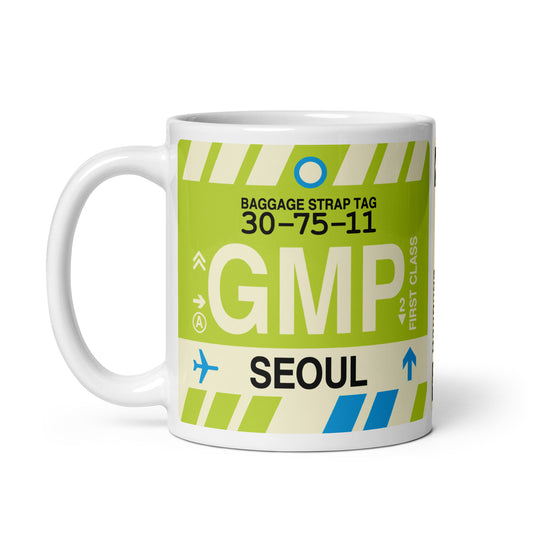
GMP Seoul South Korea Coffee Mug
Regular price $24.99 CADRegular priceUnit price per -
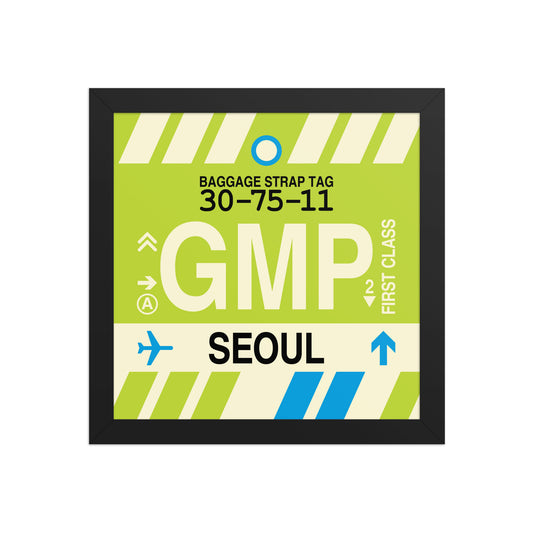
GMP Seoul South Korea Framed Print
Regular price From $54.99 CADRegular priceUnit price per -
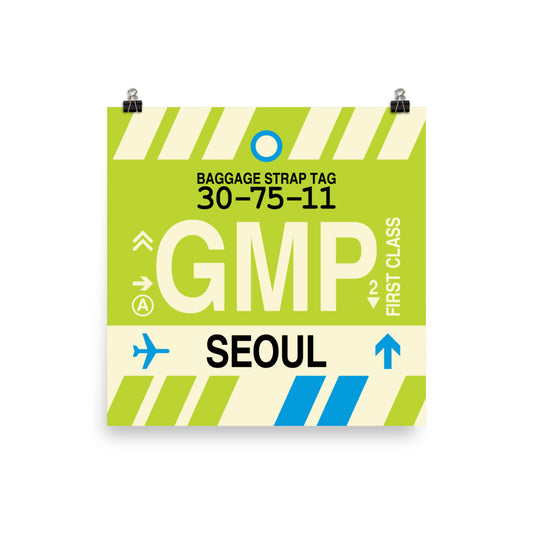
GMP Seoul South Korea Poster Print
Regular price From $19.99 CADRegular priceUnit price per -
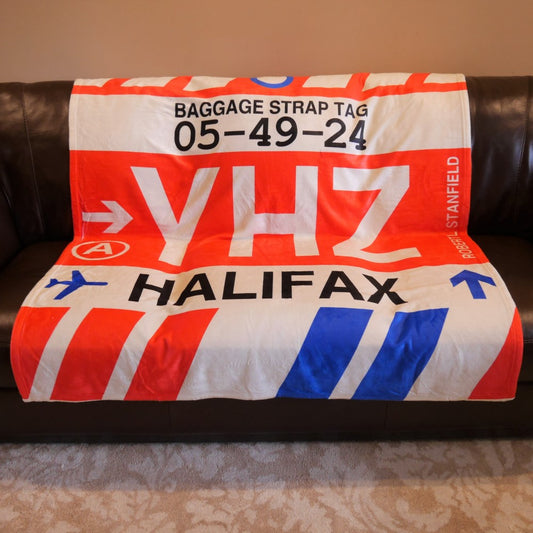
GMP Seoul South Korea Throw Blanket
Regular price $69.99 CADRegular priceUnit price per




Blog posts
View all-

Arizona by Air: Phoenix, Tucson, Flagstaff & th...
Arizona’s air travel network is shaped by vast desert landscapes, mountain ranges, and some of the most recognizable natural landmarks in the United States. From the major international hub in...
Arizona by Air: Phoenix, Tucson, Flagstaff & th...
Arizona’s air travel network is shaped by vast desert landscapes, mountain ranges, and some of the most recognizable natural landmarks in the United States. From the major international hub in...
-

The Indian Pacific: Sydney to Perth by Rail
There is a stretch of track on the Nullarbor Plain — 478 kilometres of it, to be precise — that is the longest straight railway line in the world. No...
The Indian Pacific: Sydney to Perth by Rail
There is a stretch of track on the Nullarbor Plain — 478 kilometres of it, to be precise — that is the longest straight railway line in the world. No...
-

Border Cities & Dual-Identity Towns: Airport Co...
Most cities belong clearly to one place. But a handful of towns across North America have always had a more complicated answer to the question "where are you from?" —...
Border Cities & Dual-Identity Towns: Airport Co...
Most cities belong clearly to one place. But a handful of towns across North America have always had a more complicated answer to the question "where are you from?" —...


