Shop One-of-a-Kind Ayers Rock Gifts Online
Are you on the hunt for the perfect gift that captures the spirit of Ayers Rock? Look no further! At YHM Designs, we offer a curated collection of one-of-a-kind Ayers Rock, Australia gifts that are sure to delight your loved ones. Whether Ayers Rock is their hometown, current residence, favourite city, or a cherished travel destination, our travel-inspired and aviation-themed products are designed to leave a lasting impression.
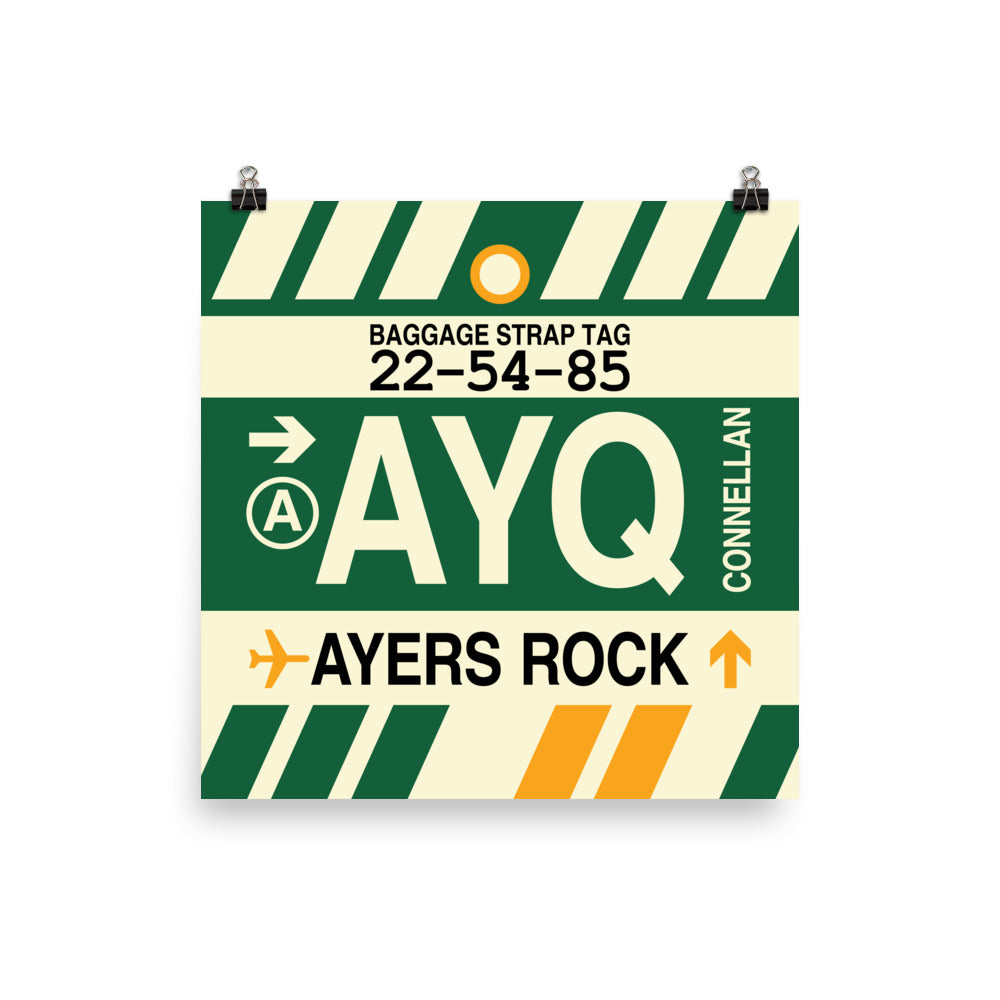
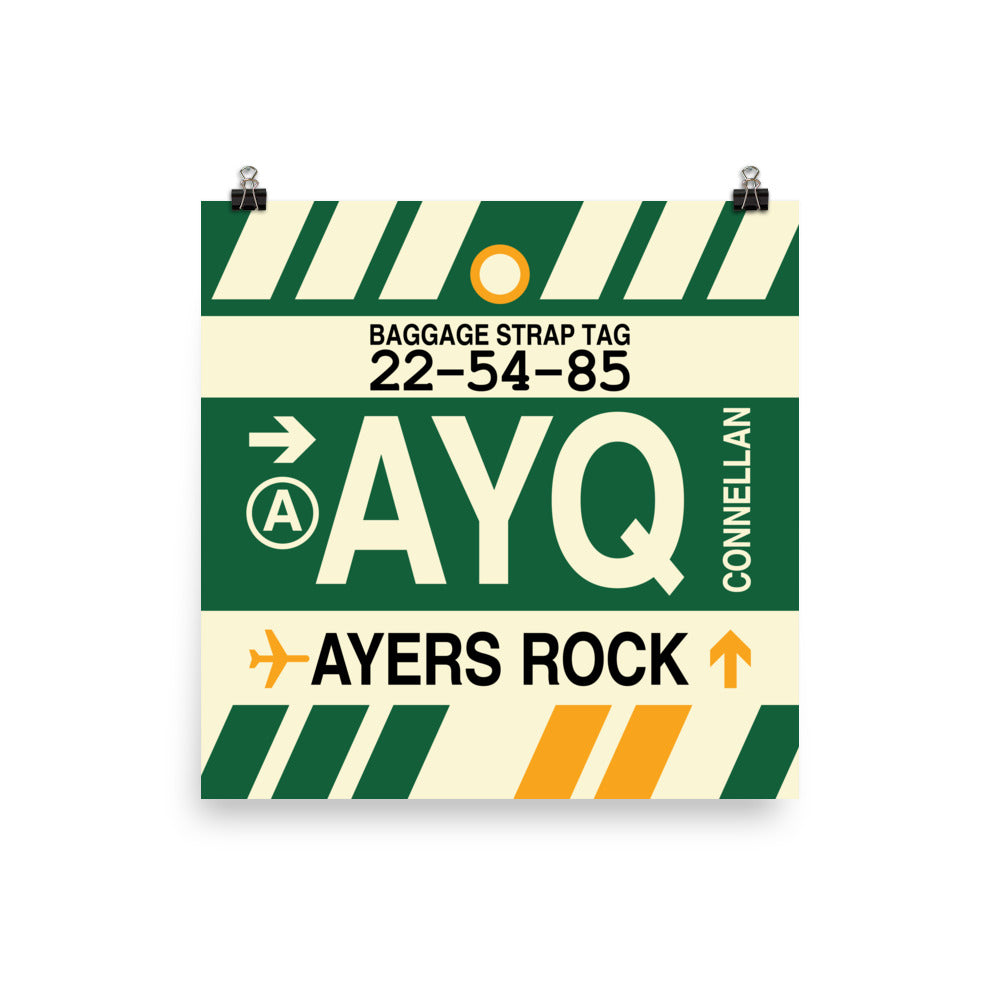
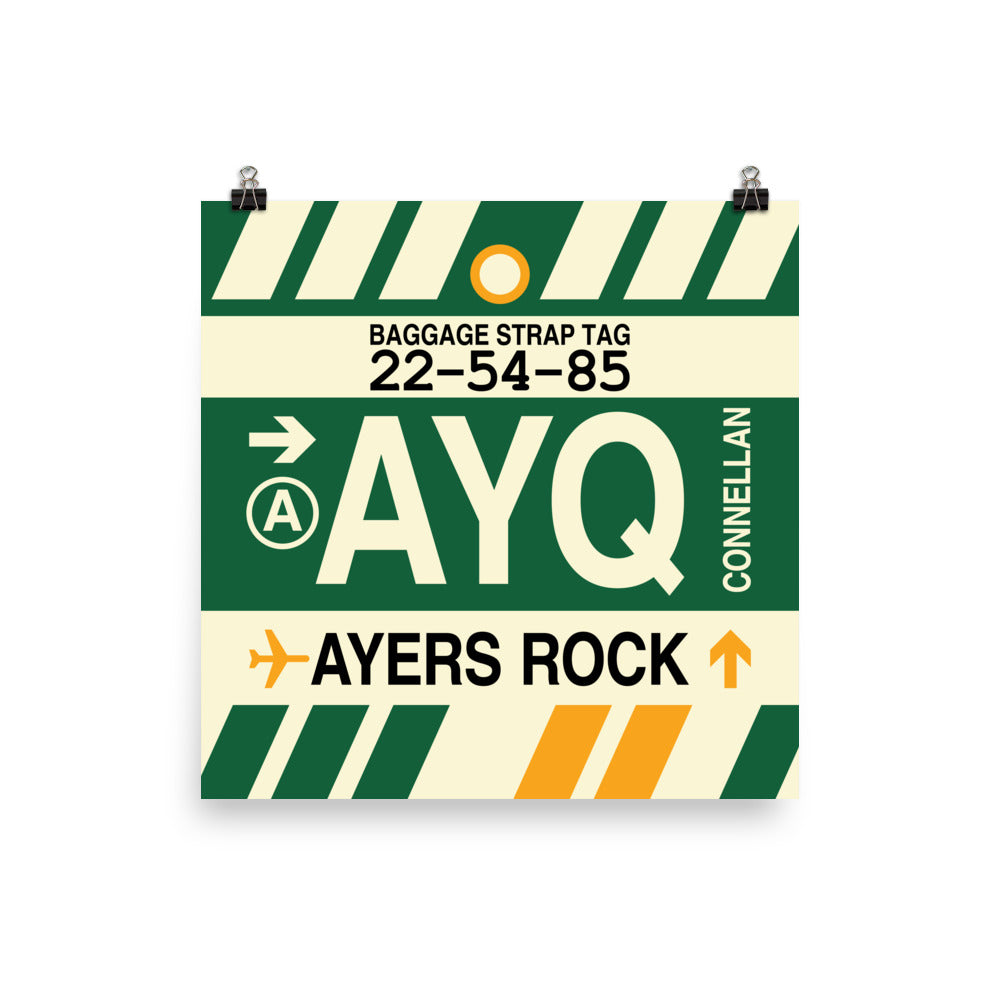
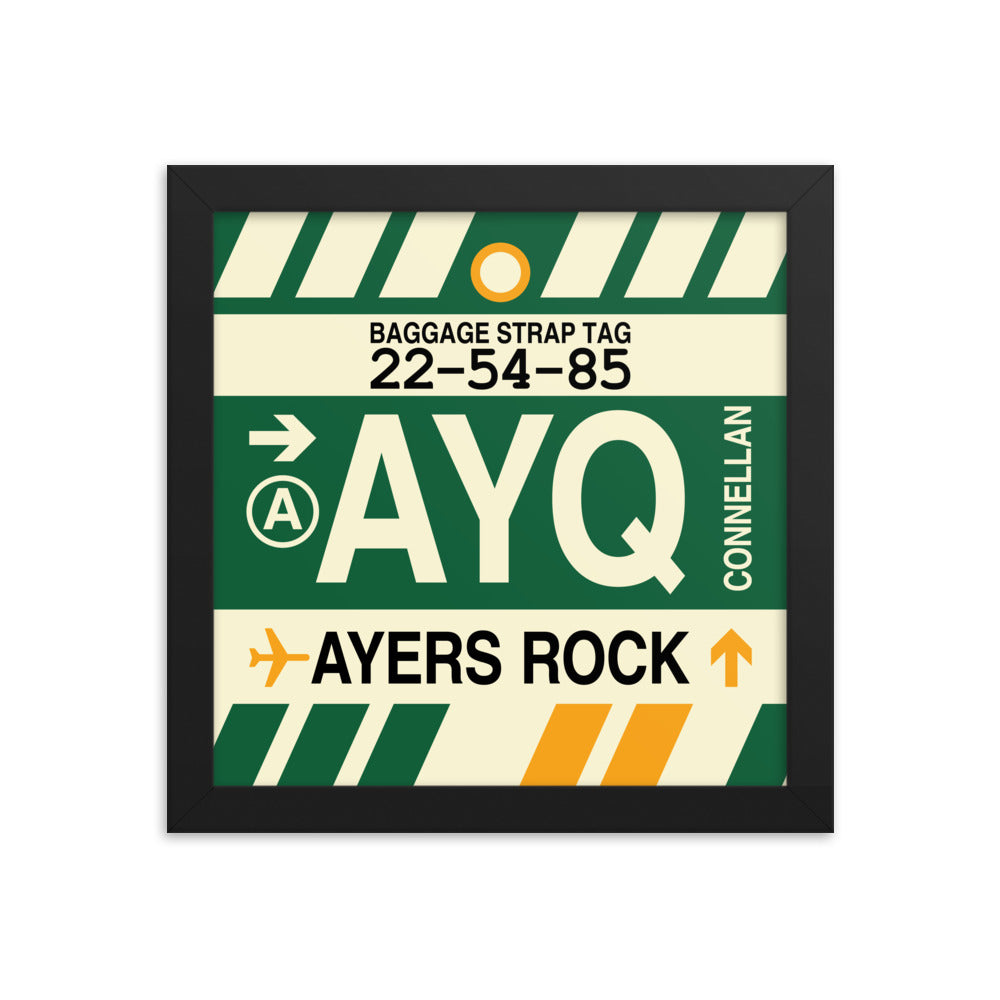
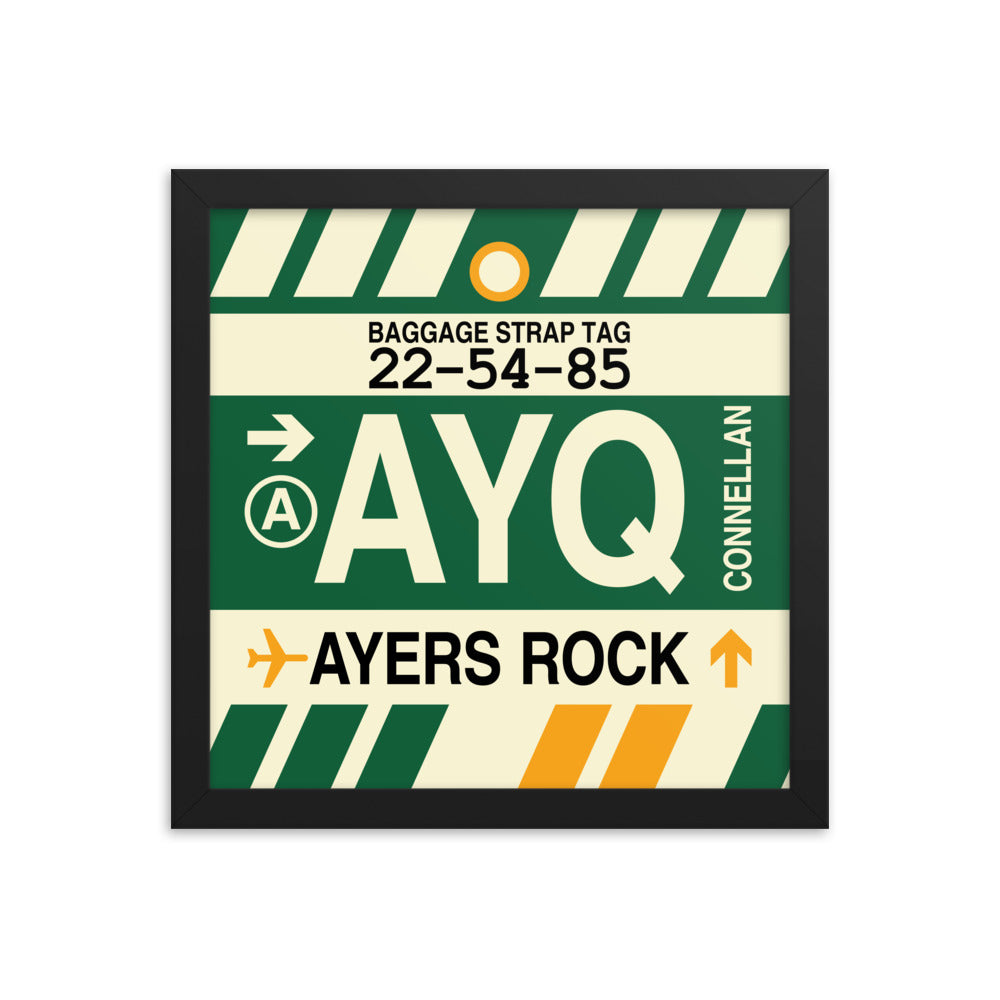
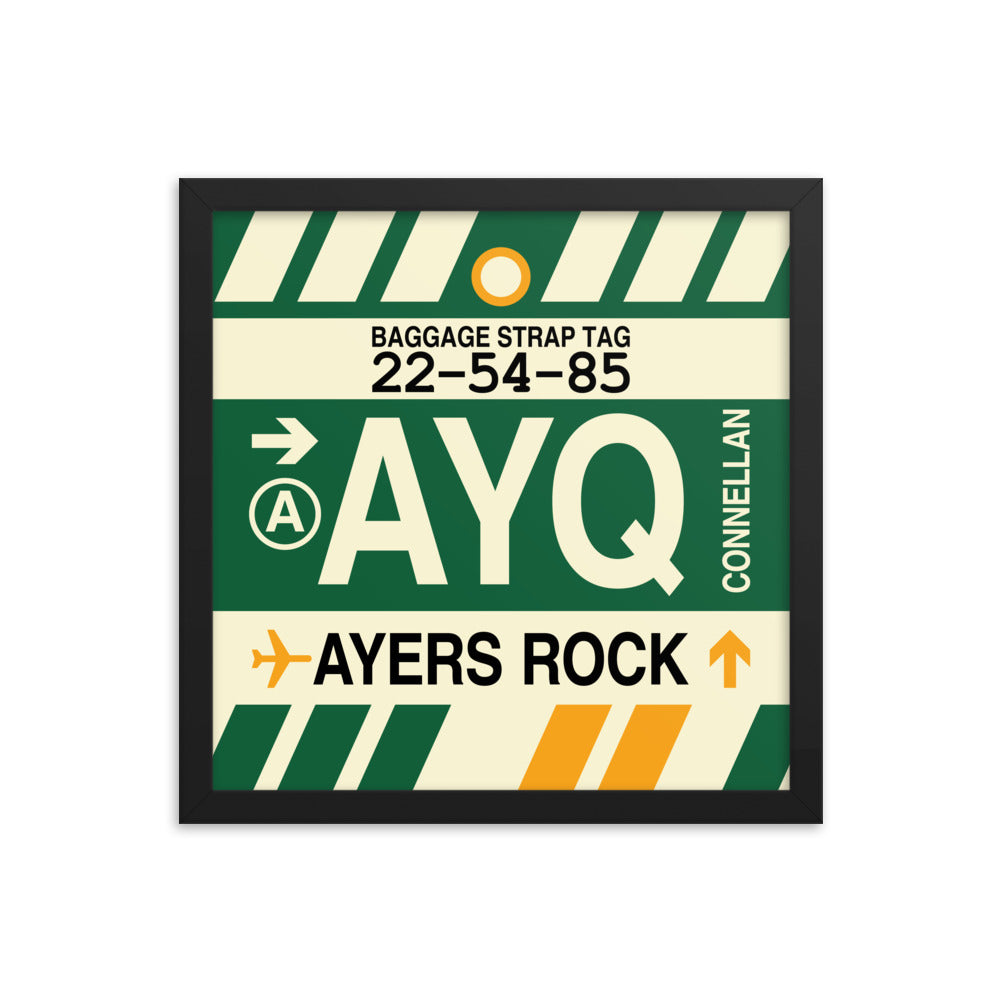
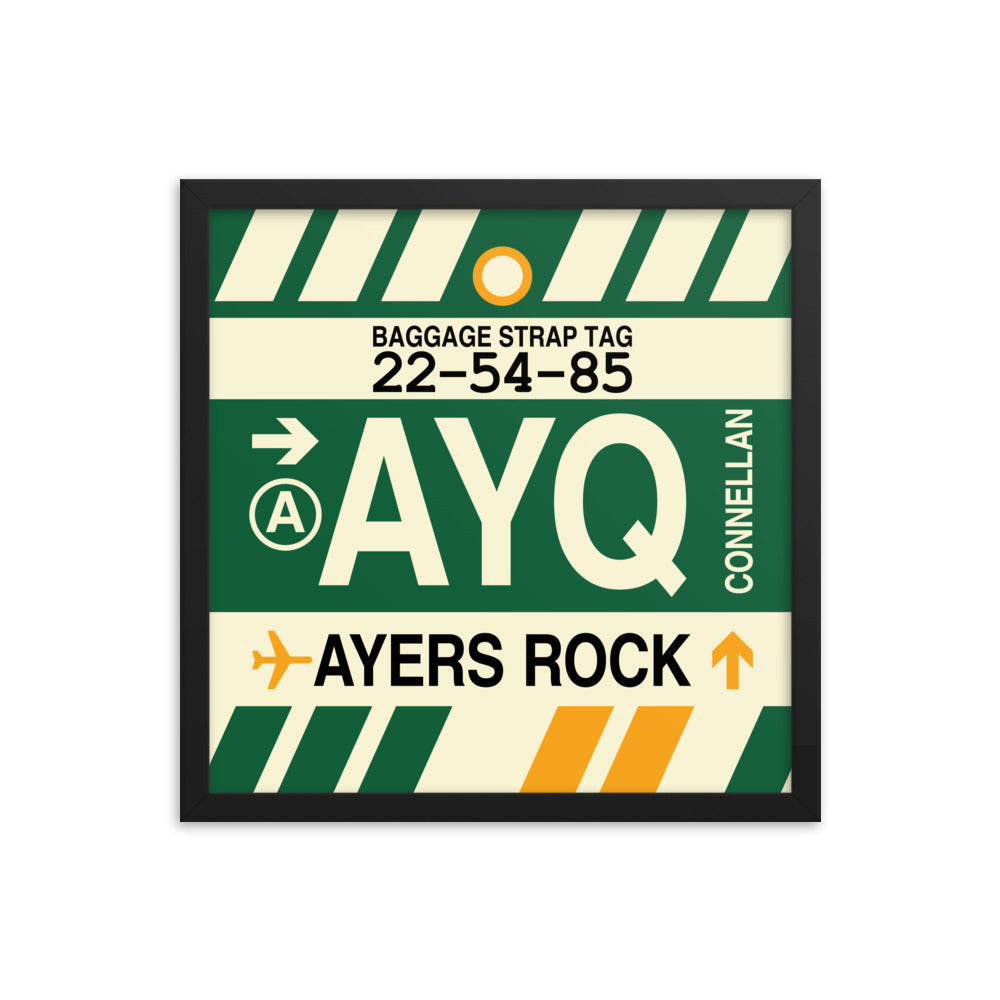
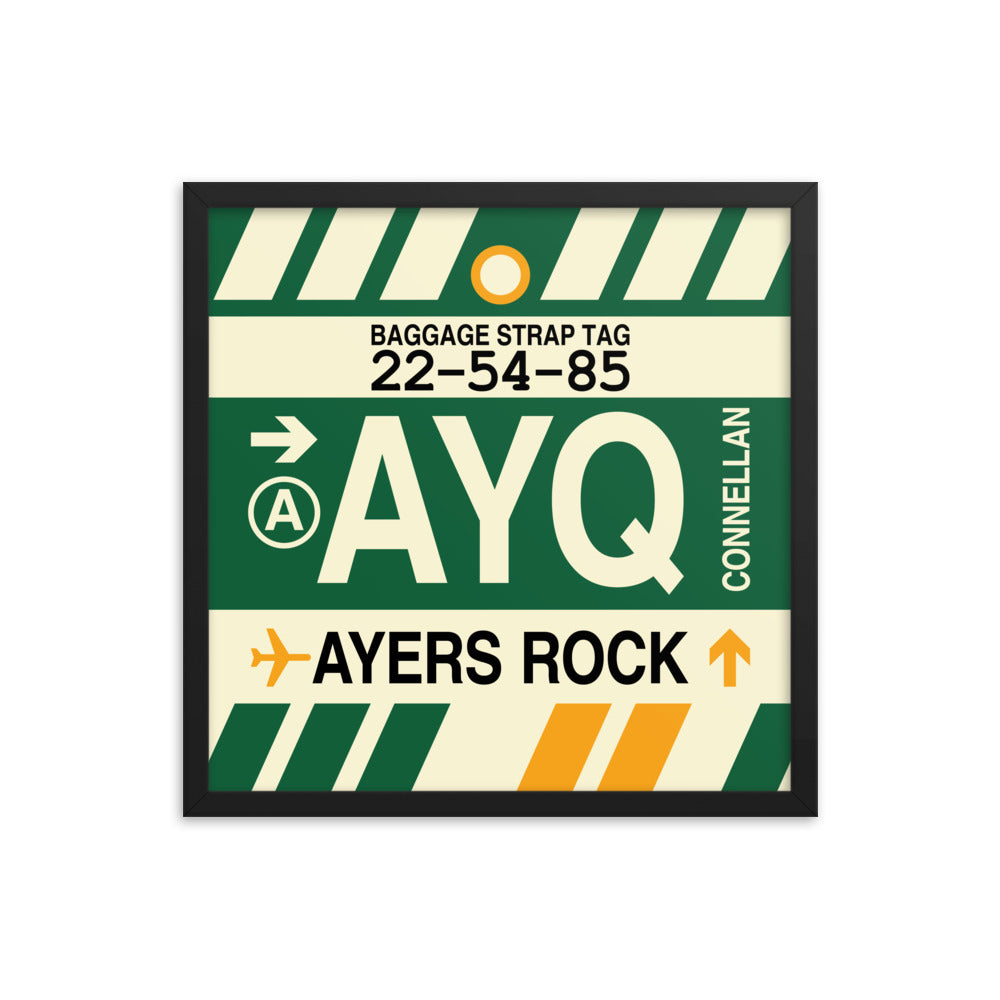
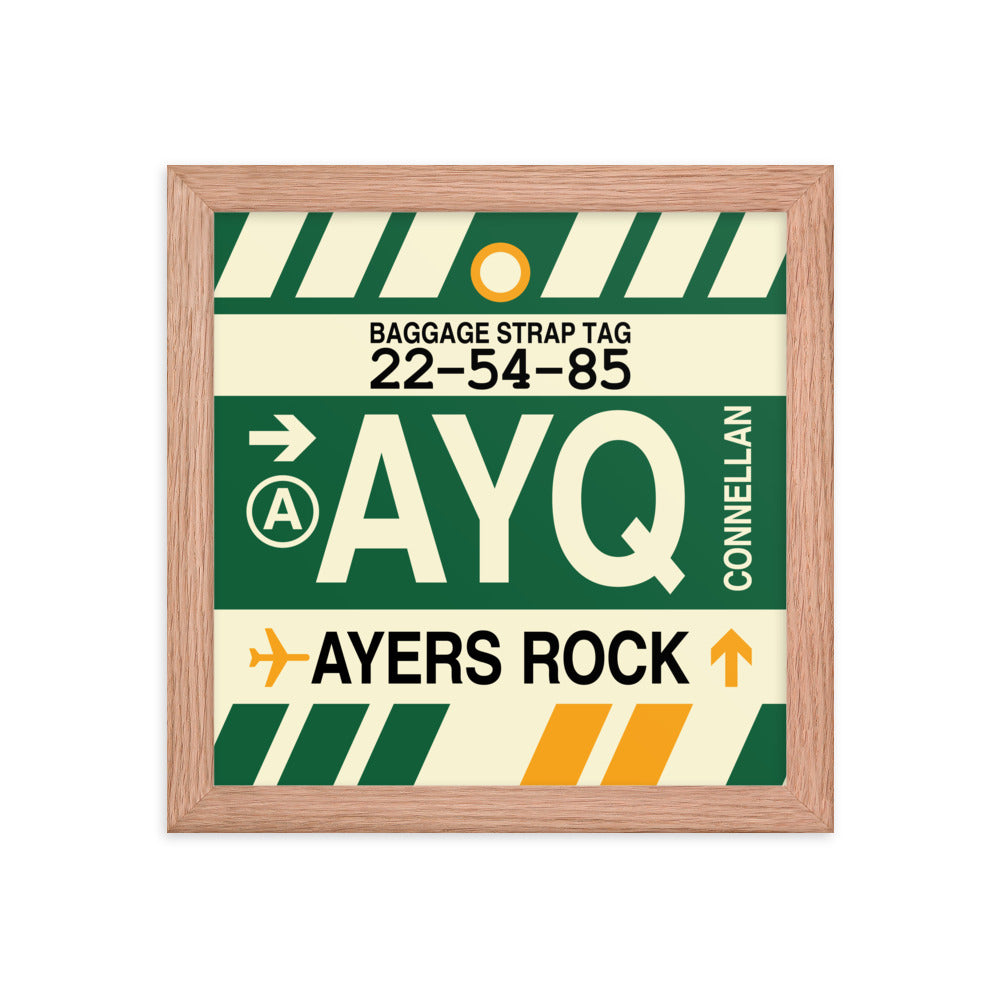
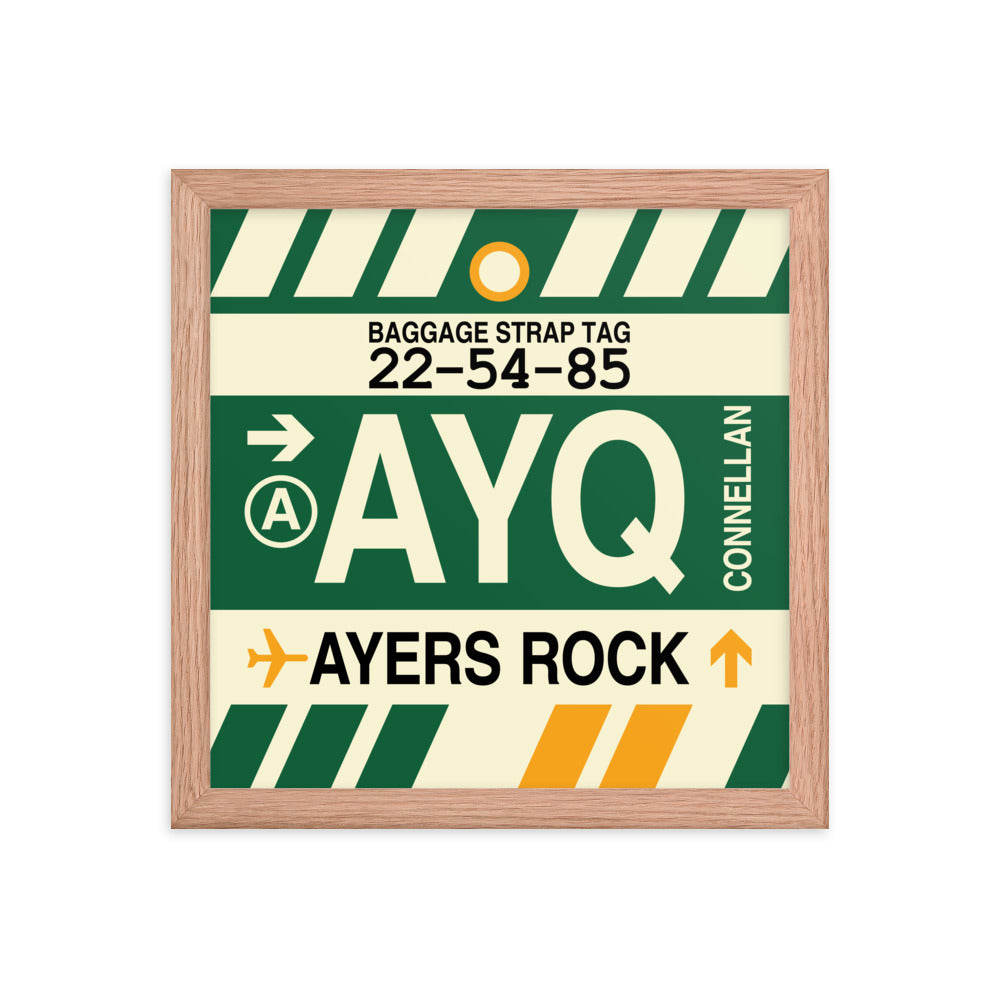
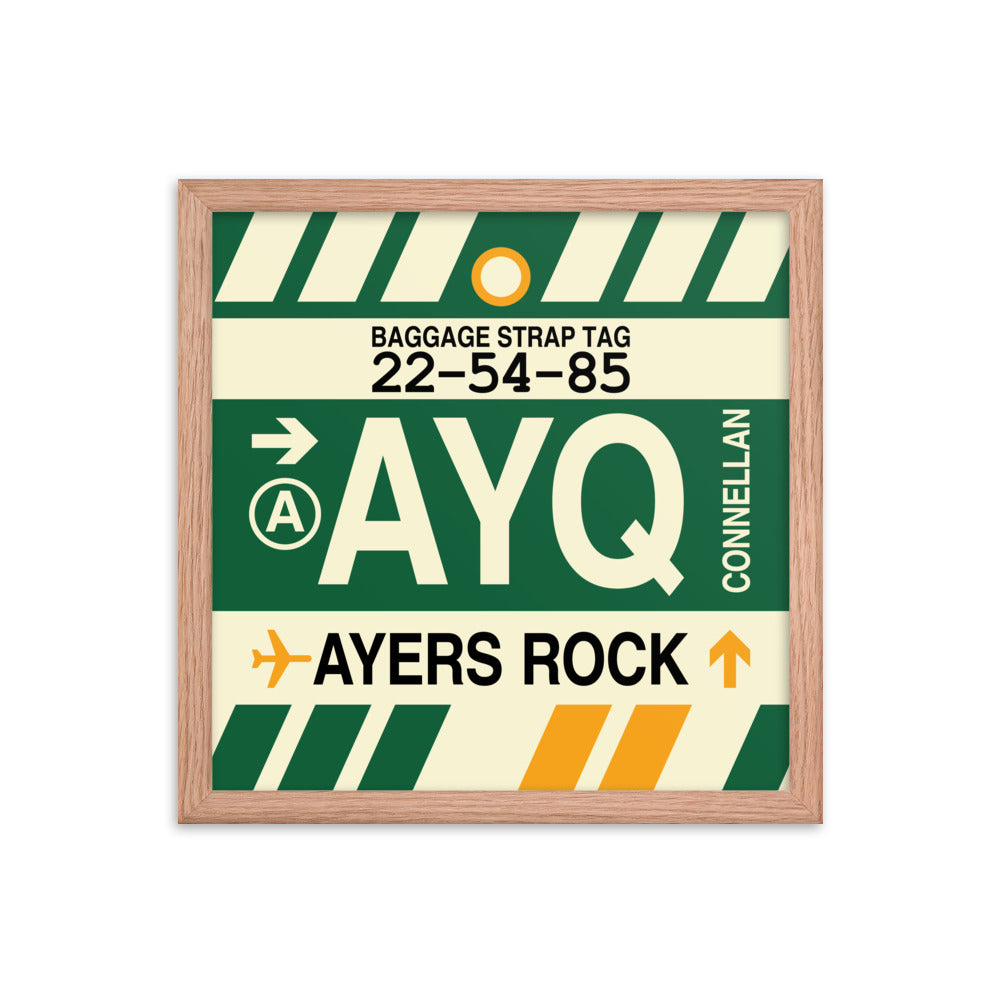
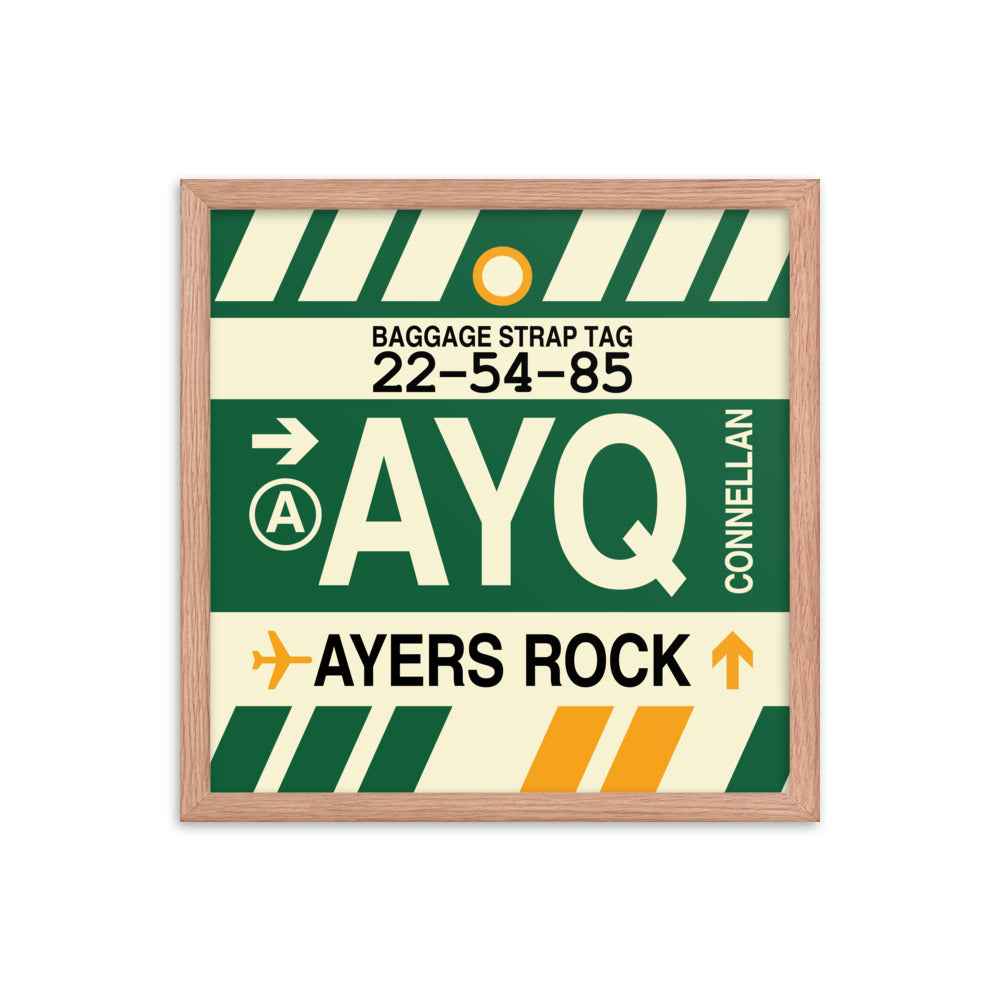
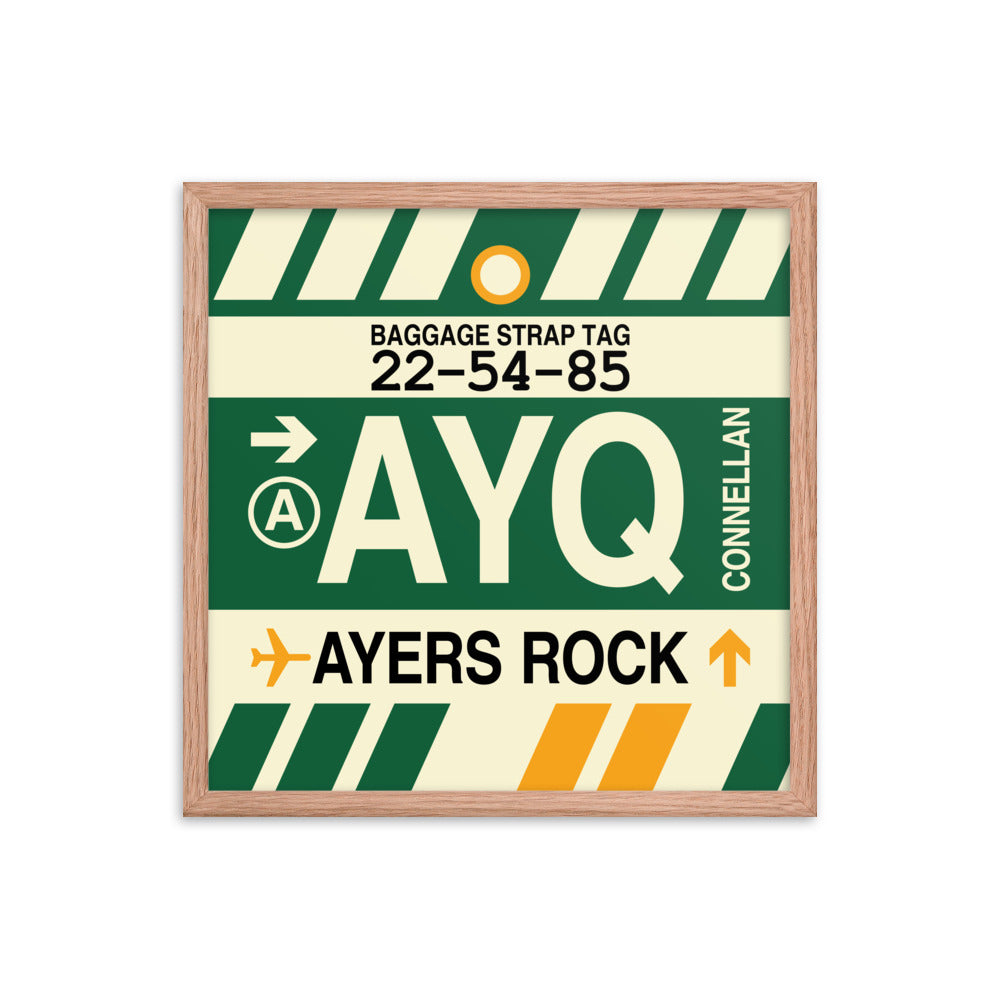
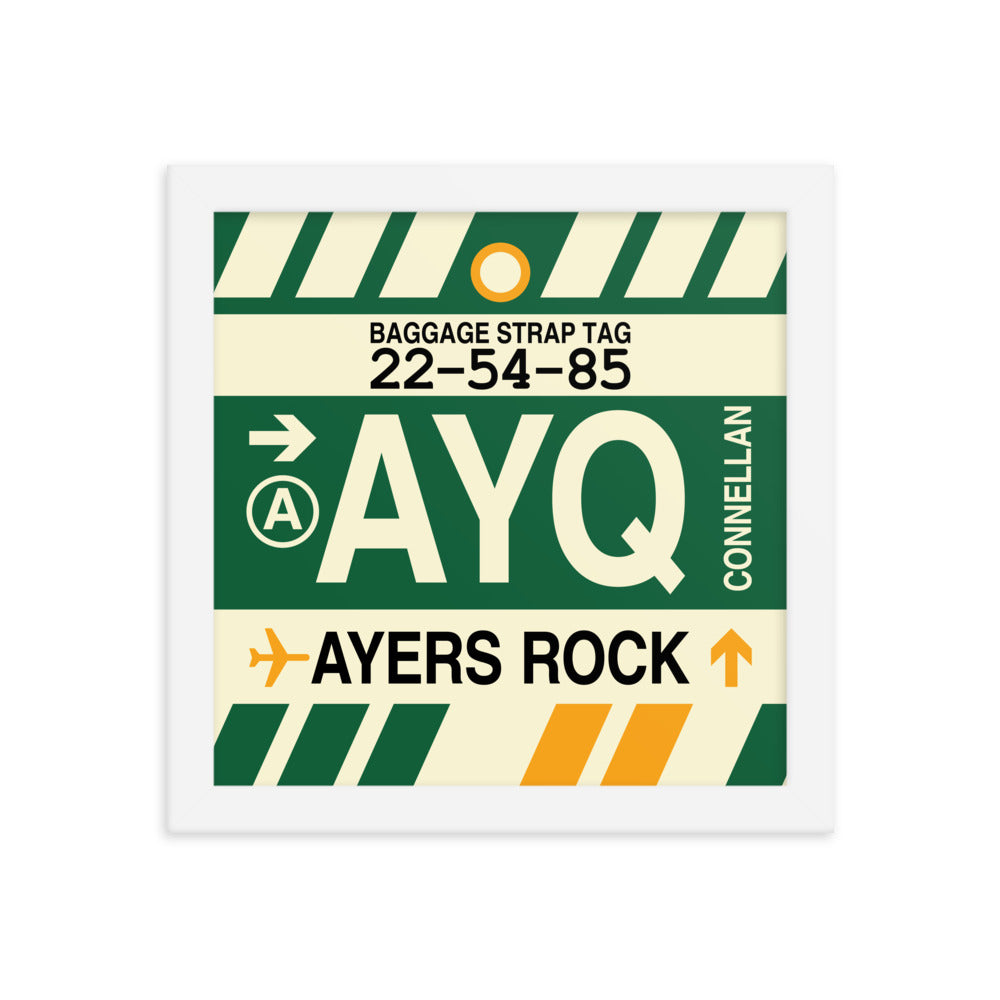
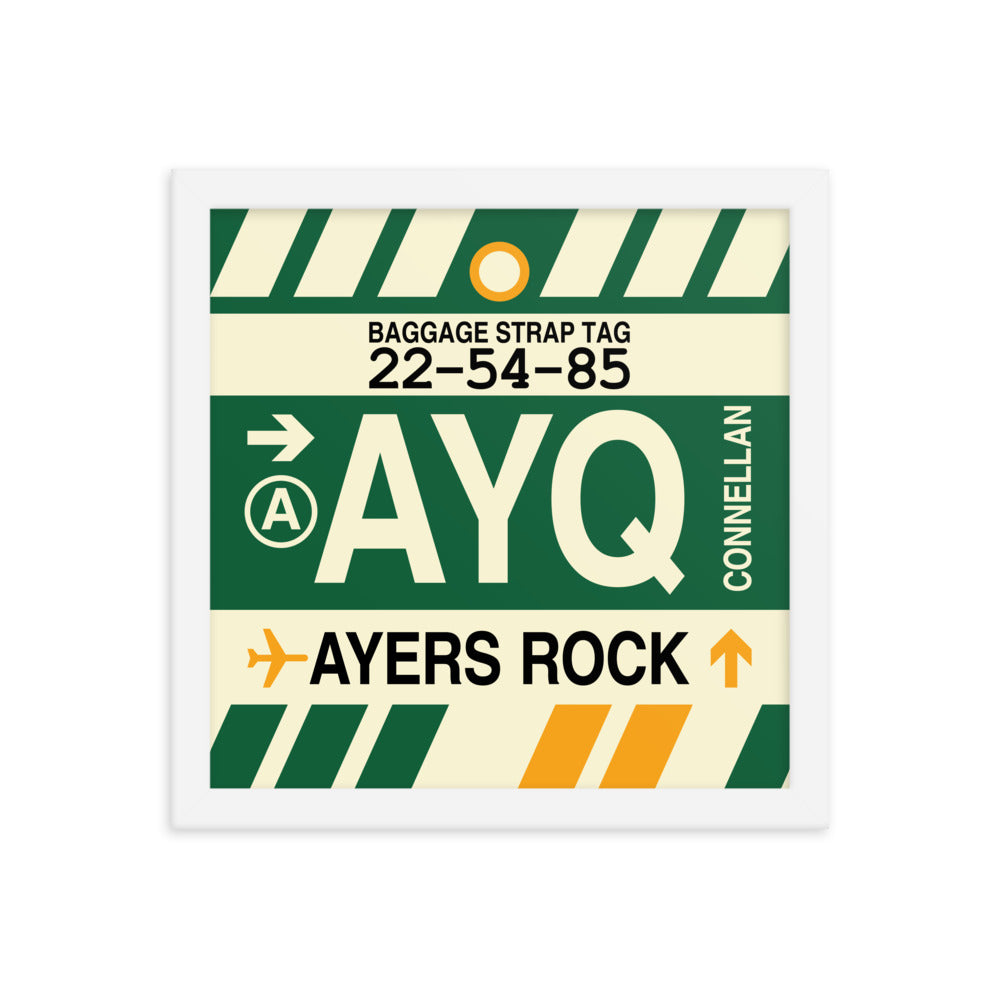
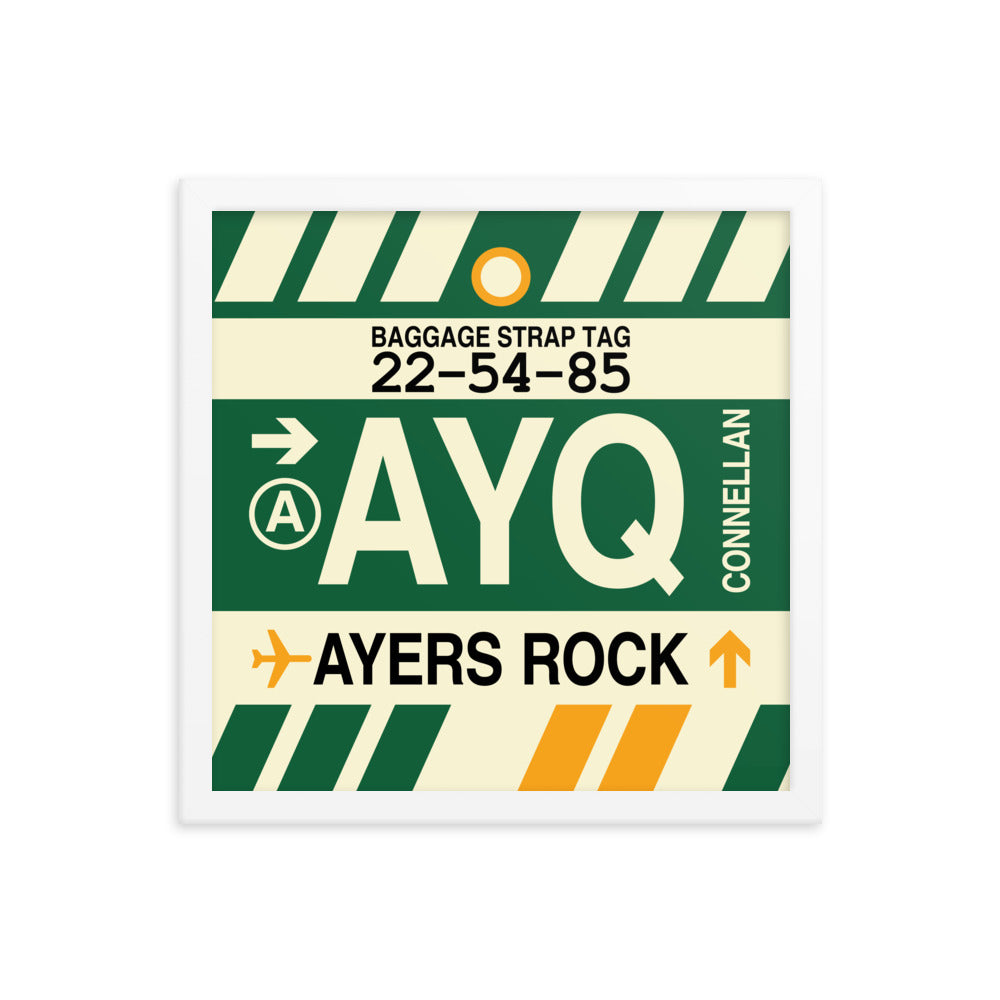
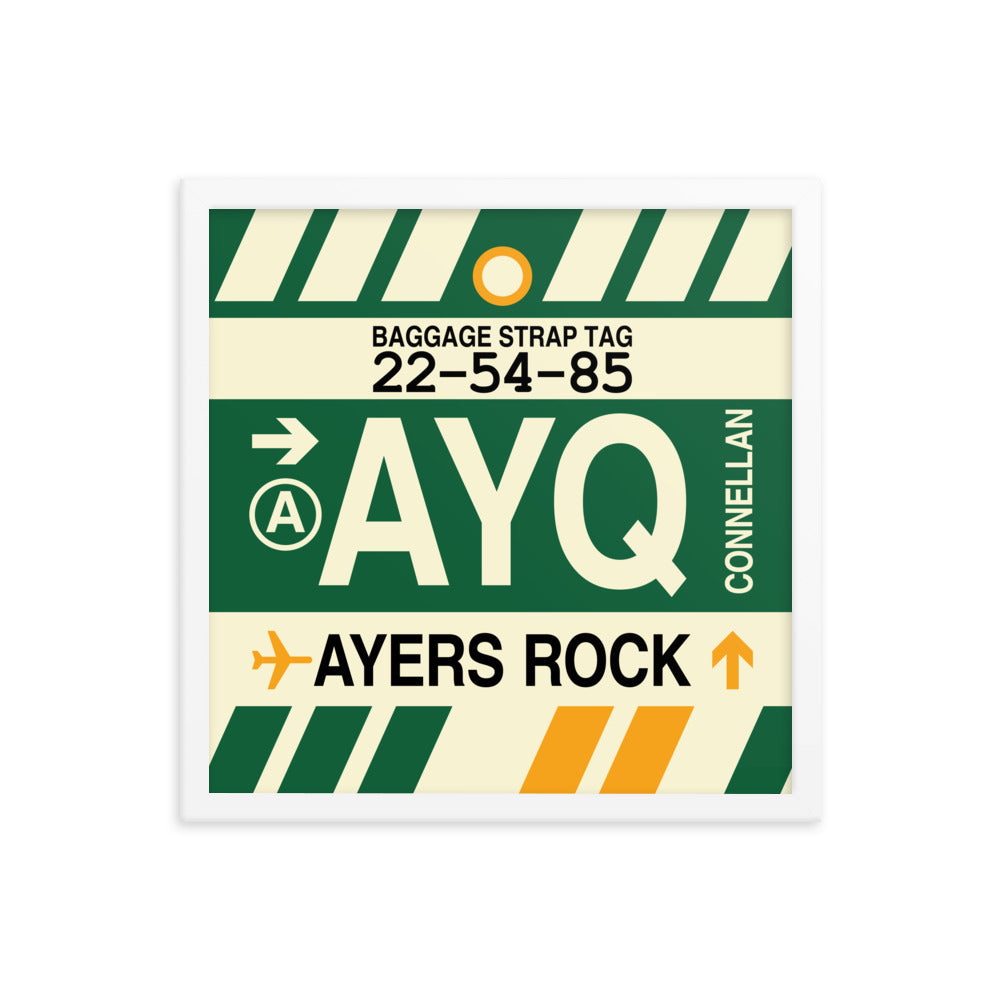
Delight your loved ones with a unique gift featuring the AYQ airport code, a symbol of connection and belonging. Ideal for people who share a bond with Ayers Rock, our products evoke the glamour, sophistication, and luxury of early air travel, with a vintage baggage tag design inspired by the golden era of the jet age. Our colours are inspired by iconic airline liveries, providing an authentic touch that resonates with aviation enthusiasts and city lovers alike.
About Ayers Rock
Ayers Rock — known to the Anangu people, its traditional custodians, as Uluru — is the most iconic natural landmark in Australia and one of the most recognizable landforms on earth, a colossal inselberg of arkose sandstone rising 348 metres above the flat red plain of the Northern Territory's arid centre and extending an estimated 2.5 kilometres beneath the surface, its bulk so vast — nearly ten kilometres in circumference at its base — and its presence so commanding that it functions less as a geological feature than as a sacred axis around which the entire landscape of central Australia seems to organize itself, drawing visitors, pilgrims, and seekers from every corner of the world to an encounter with a scale and antiquity of place that consistently defies the capacity of photography or description to convey. Uluru sits within Uluṟu-Kata Tjuṯa National Park, a UNESCO World Heritage Site listed for both its outstanding natural values and its extraordinary cultural significance, approximately 450 kilometres southwest of Alice Springs in the heart of a desert landscape whose apparent emptiness conceals a richness of ecological adaptation, spiritual meaning, and human history stretching back at least 30,000 years, making this one of the longest continuously inhabited places on the planet and one of the most profound expressions of the relationship between a people and their country anywhere in the world. The rock's surface — which shifts through a spectrum of colours across the course of a single day, from the pale ochre of early morning through the blazing orange of midday to the incandescent crimson and violet of sunset, a chromatic performance that has made the dusk viewing area one of the most visited spots in Australia — is scored with caves, waterholes, and rock art sites of deep ceremonial significance to the Anangu, whose Tjukurpa — the law, religion, and moral code that governs their relationship with country — is encoded in the landscape itself and transmitted across generations through story, song, and ceremony rather than through written text.
The cultural significance of Uluru to the Anangu Pitjantjatjara Yankunytjatjara people is of a depth and complexity that Western frameworks of heritage classification struggle to adequately capture, for the rock is not merely a sacred site in the sense that a cathedral or a temple might be sacred — a place set apart from ordinary life for religious purposes — but rather a living embodiment of the Tjukurpa creation narratives that explain the origin of the landscape, the behaviour of its animals and plants, and the moral obligations of the people who belong to it, with specific features of the rock's surface — the caves, the waterholes, the grooves and stains — corresponding to episodes in creation stories whose full content is restricted to initiated community members and whose public disclosure would constitute a serious breach of cultural protocol. The history of Uluru's encounter with European Australia is a compressed and often painful version of the broader story of Indigenous dispossession and cultural survival, from the first European sighting by the explorer William Gosse in 1873 — who named the rock after the South Australian premier Sir Henry Ayers — through the decades of pastoral encroachment, mission influence, and government intervention that disrupted Anangu life, to the landmark handback of the park to its traditional owners in 1985, when Governor-General Ninian Stephen returned the title deed to Anangu elders in a ceremony of profound symbolic importance, after which the Anangu immediately leased the park back to the federal government for joint management — an arrangement that has evolved over the subsequent decades into an increasingly Anangu-led model of cultural tourism and land management. The closure of the climb to the summit of Uluru in October 2019 — a decision made by the park's joint management board in recognition of the deep distress the climbing caused to Anangu people, for whom the route follows a path of great sacred significance — represented a further milestone in the long process of restoring Anangu authority over their country, and the overwhelming majority of visitors have embraced the change as an opportunity to engage with the rock on its own cultural terms rather than as a physical challenge to be conquered.
The broader landscape of Uluṟu-Kata Tjuṯa National Park encompasses a second extraordinary geological formation in Kata Tjuṯa — the Olgas — a group of 36 domed conglomerate rock formations rising to a maximum height of 546 metres approximately 25 kilometres west of Uluru, whose scale is in some respects even more overwhelming than that of the more famous monolith, the deep gorges and valleys between the domes creating a landscape of cathedral-like grandeur that the Anangu regard as even more sacred than Uluru itself and that rewards extended walking with encounters of extraordinary intimacy and power. The desert ecosystem of the park, far from being the barren wasteland that the word "desert" might suggest, supports a remarkable diversity of plant and animal life adapted to the extremes of heat, cold, and aridity — including the thorny devil, the perentie monitor lizard, the bilby, and over 170 species of bird — and the Anangu's deep ecological knowledge of this landscape, encoded in the Tjukurpa and expressed through traditional land management practices including controlled burning, represents one of the most sophisticated bodies of environmental knowledge developed anywhere on earth over tens of thousands of years of careful observation and stewardship.
Top attractions include the sunrise and sunset viewing areas where Uluru's colour transformations can be witnessed in the company of fellow travellers from around the world, the Talinguru Nyakunytjaku sunrise viewing area, the base walk circumnavigating the full ten-kilometre perimeter of the rock and passing its caves, waterholes, and rock art sites, the Valley of the Winds walk through the gorges of Kata Tjuṯa, the Uluru-Kata Tjuta Cultural Centre where Anangu art, history, and Tjukurpa are interpreted with depth and care, the dot painting and traditional art available through the Maruku Arts centre, the camel tours across the desert plain at dawn, and the extraordinary Field of Light installation by artist Bruce Munro — a sea of 50,000 illuminated stems that transforms the desert floor after dark into one of the most otherworldly and affecting art experiences in Australia. Its airport code is AYQ (Ayers Rock Airport).
Throw Pillows
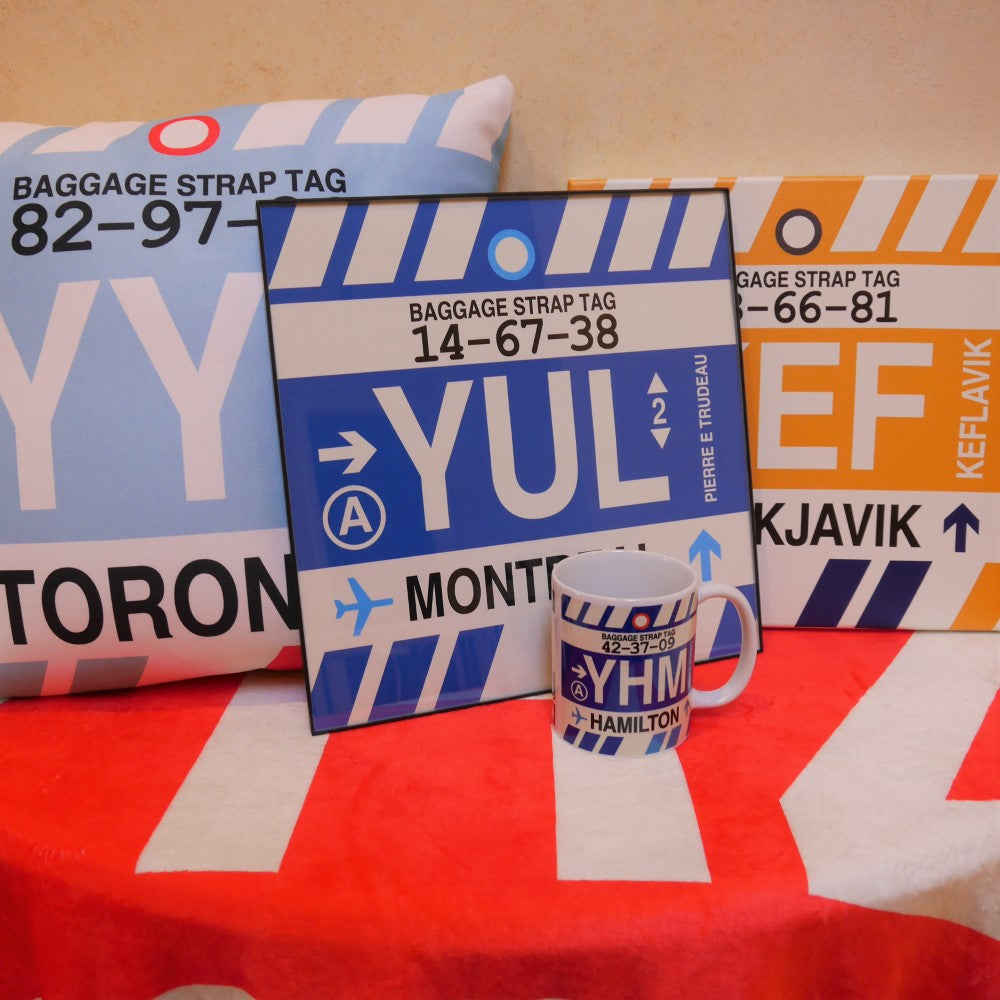
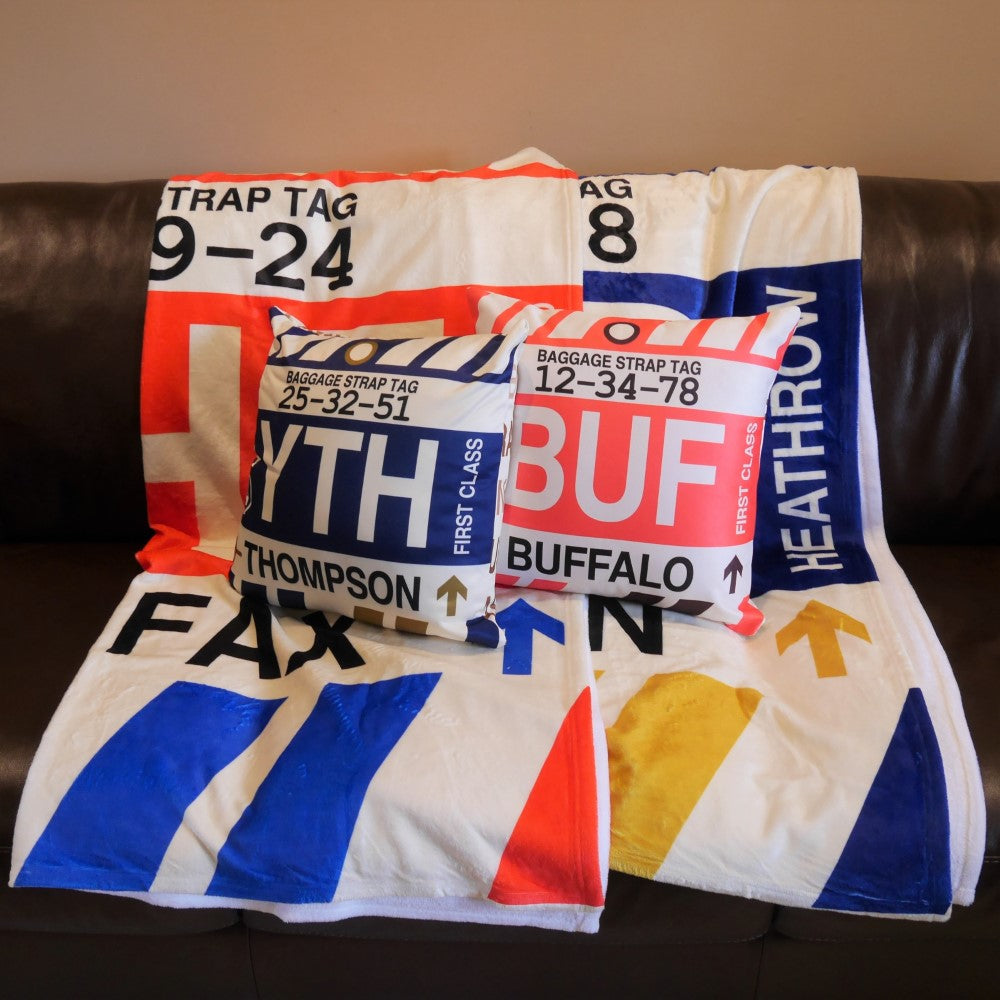
Add a touch of Ayers Rock to your home with our throw pillows, which serve as both decorative accents and conversation starters. Our throw pillows add a pop of colour to any space, whether it's a cozy living room or a stylish bedroom. Perfect for reliving fond memories or igniting a sense of wanderlust, these pillows are a reminder of the adventures that await. Share the gift of home with a homesick college student or faraway loved one by adding an Ayers Rock-themed pillow to a care package.
Coffee Mugs
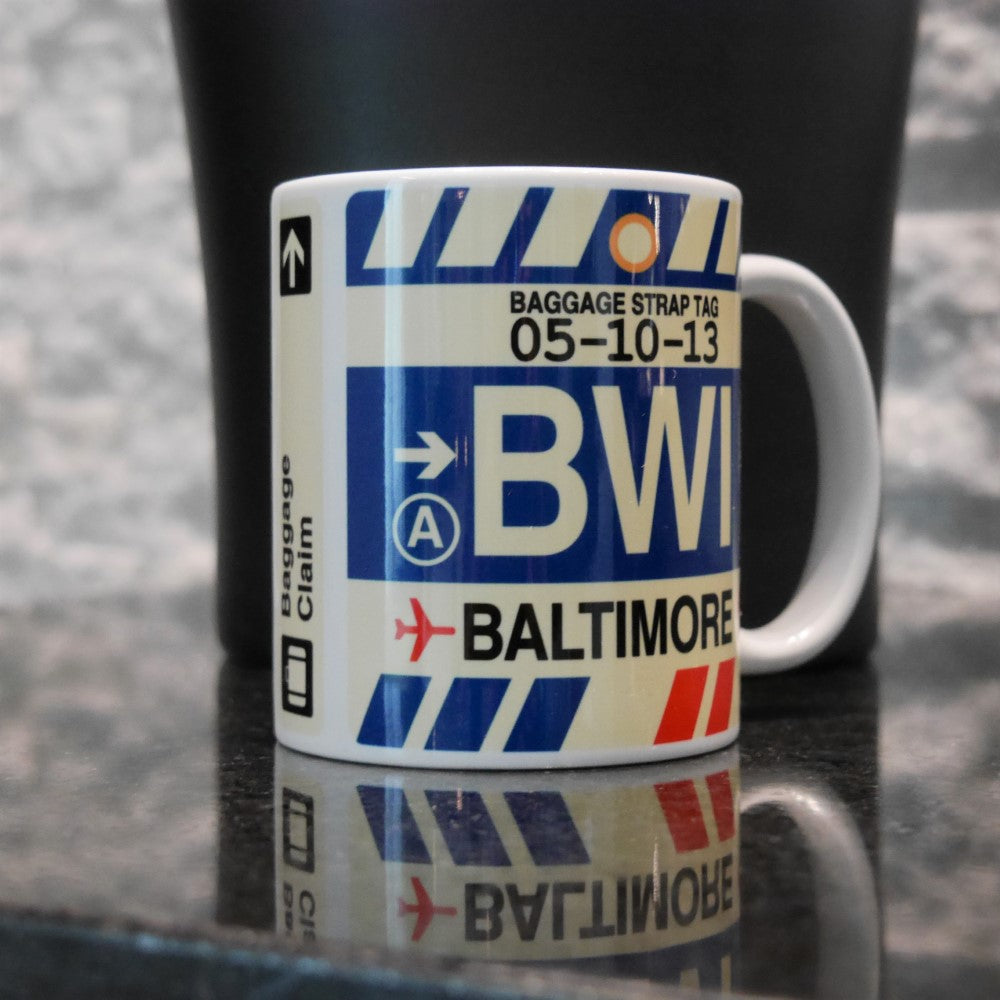
Start your day off right with our ceramic coffee mugs. Ideal for coffee connoisseurs and tea enthusiasts alike, our mugs are both sturdy and stylish. With each sip, you'll be transported to the streets of Ayers Rock, whether you're enjoying your morning brew or winding down with a cup of hot cocoa.
Prints and Wall Art
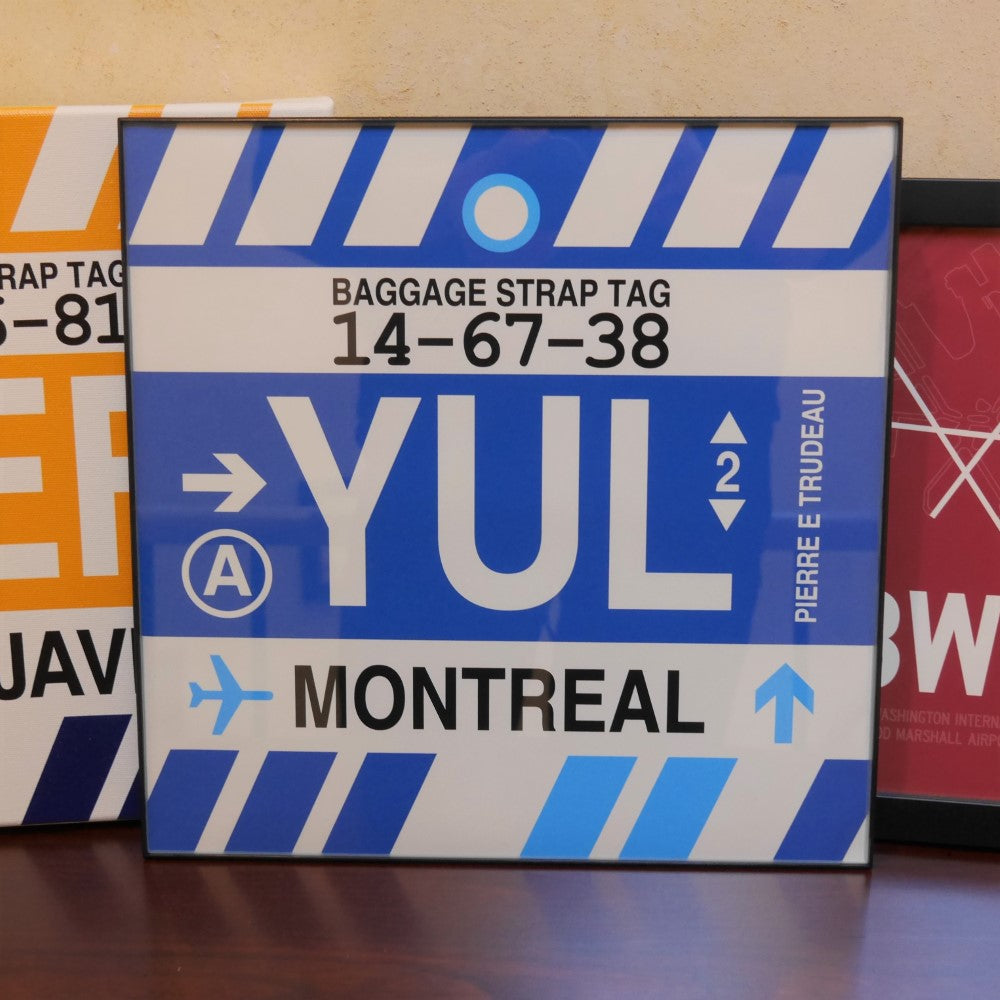
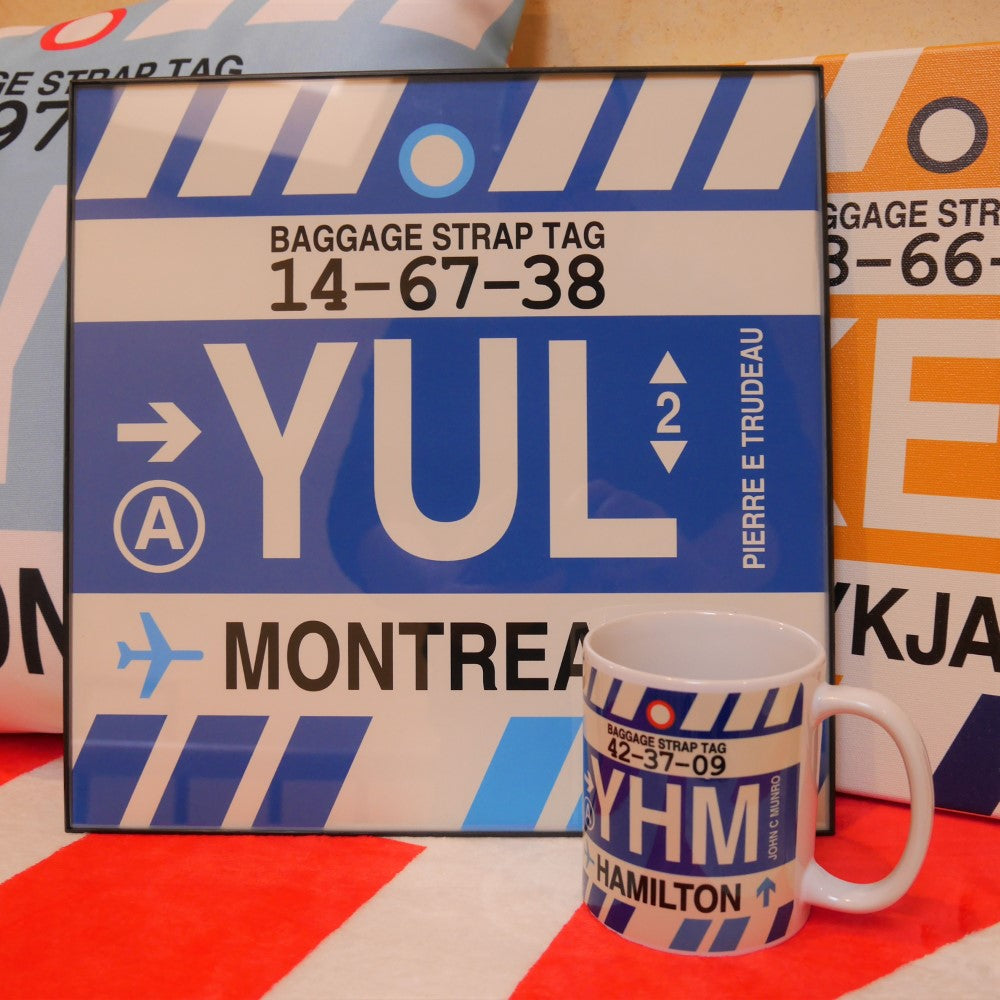
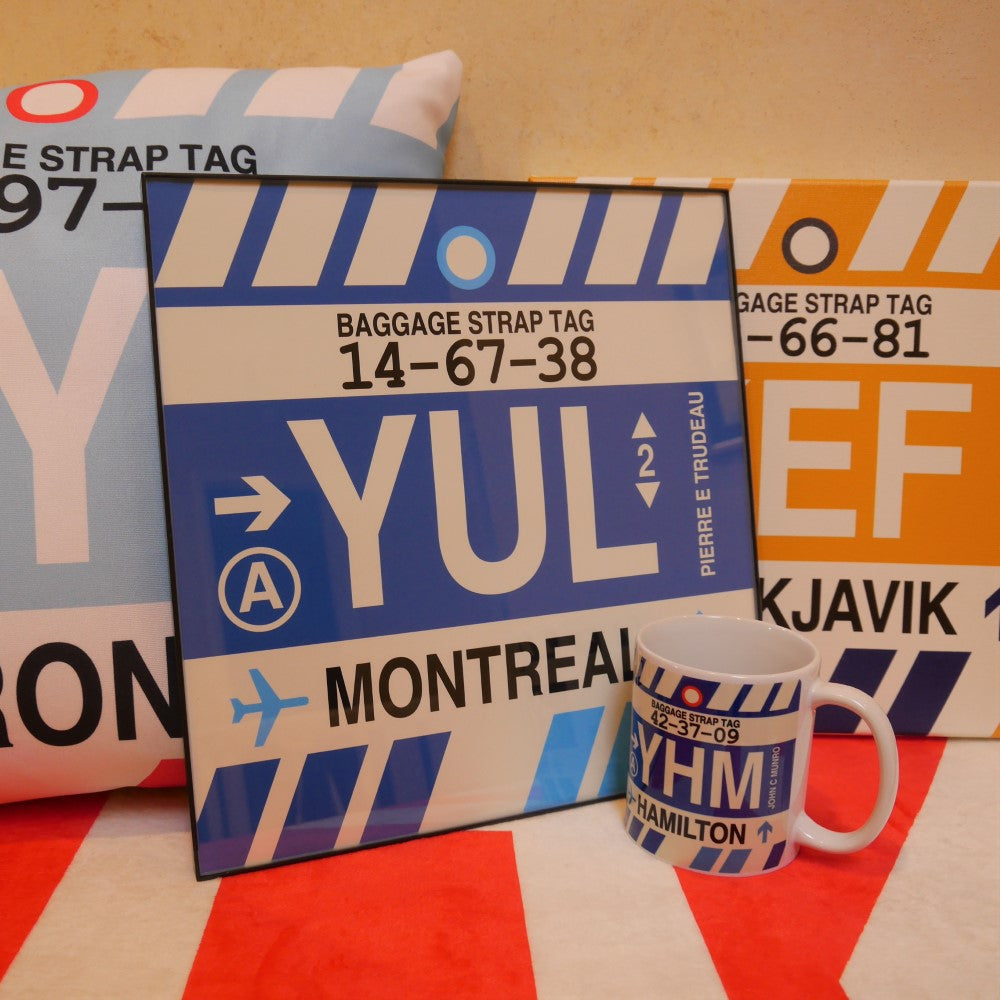
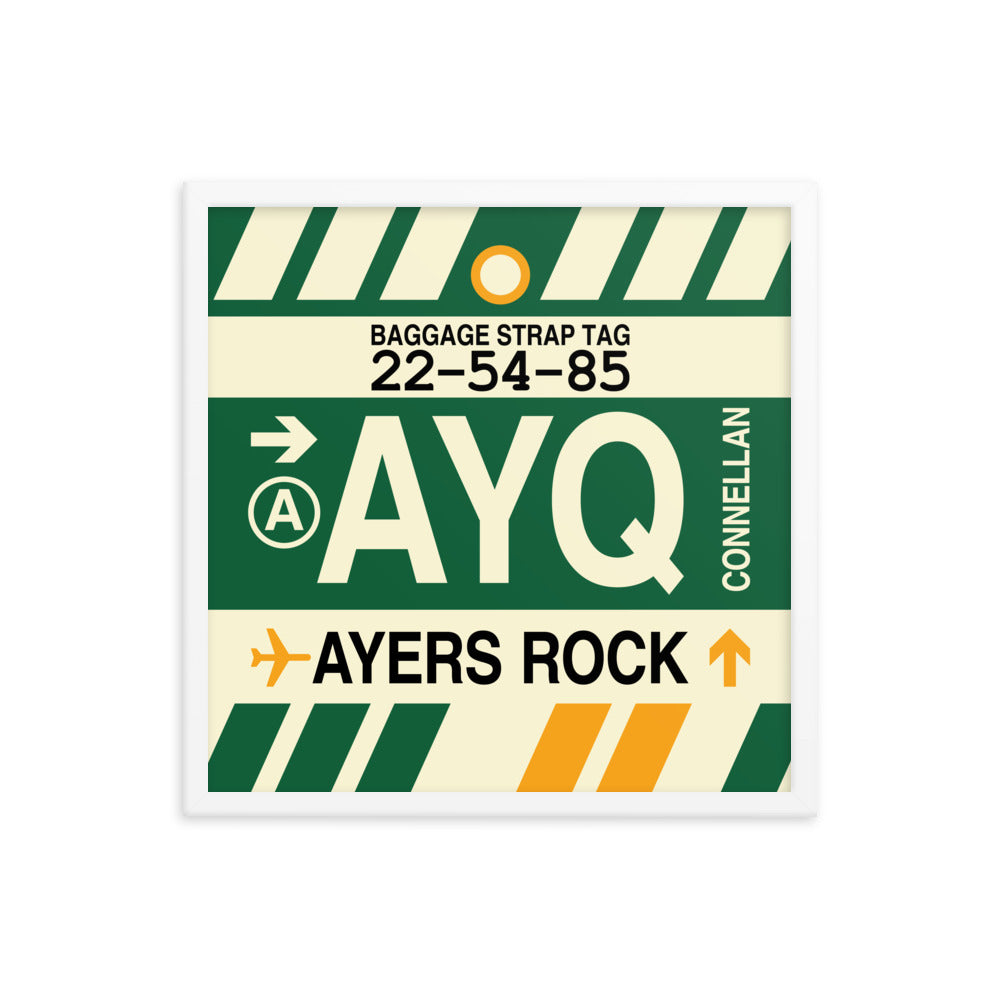
Transform your space with our prints and wall art, perfect for adding a touch of elegance to any room. Whether you're decorating your living room, bedroom, hallway, or office, our wall art serves as a daily reminder of your love for Ayers Rock.
Throw Blankets
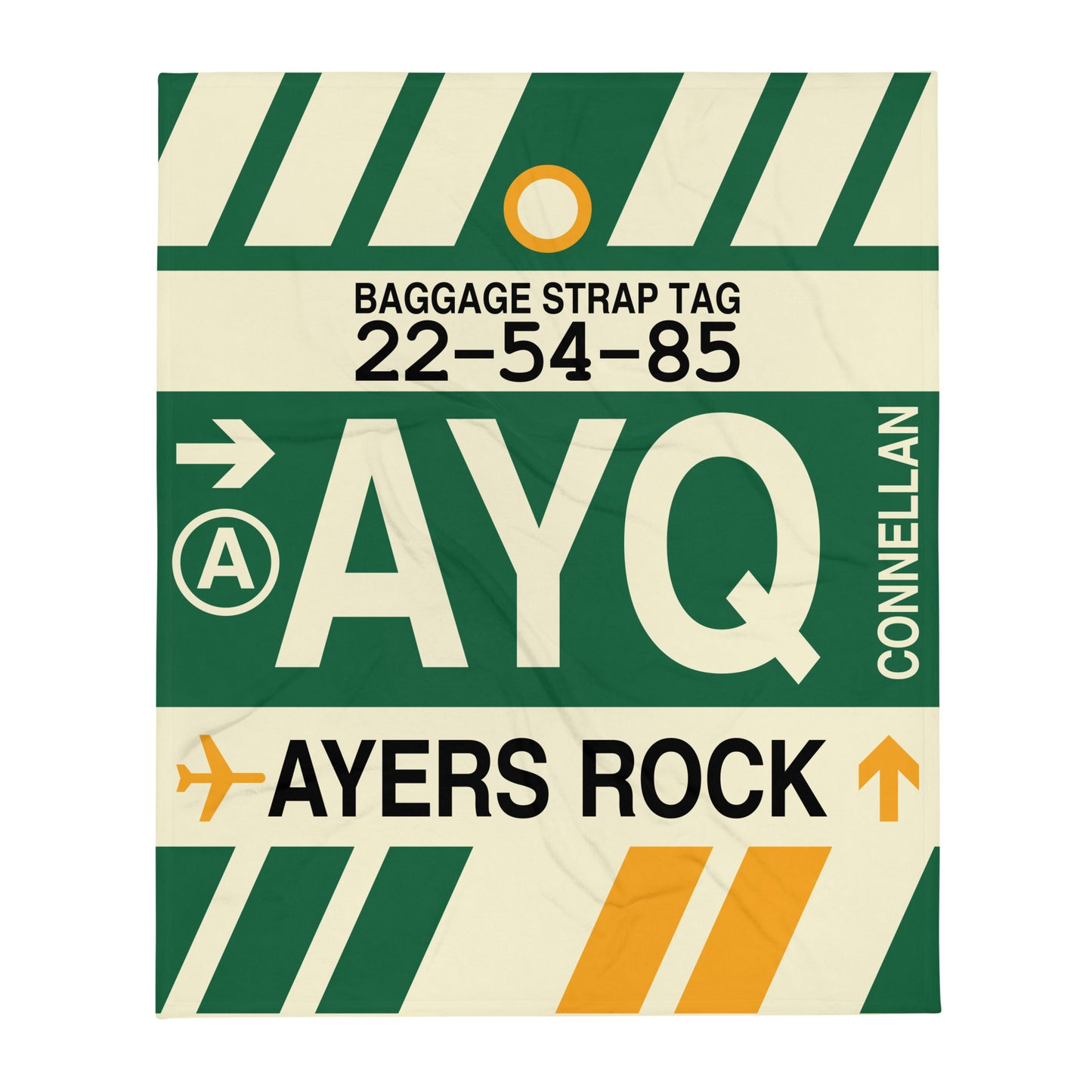
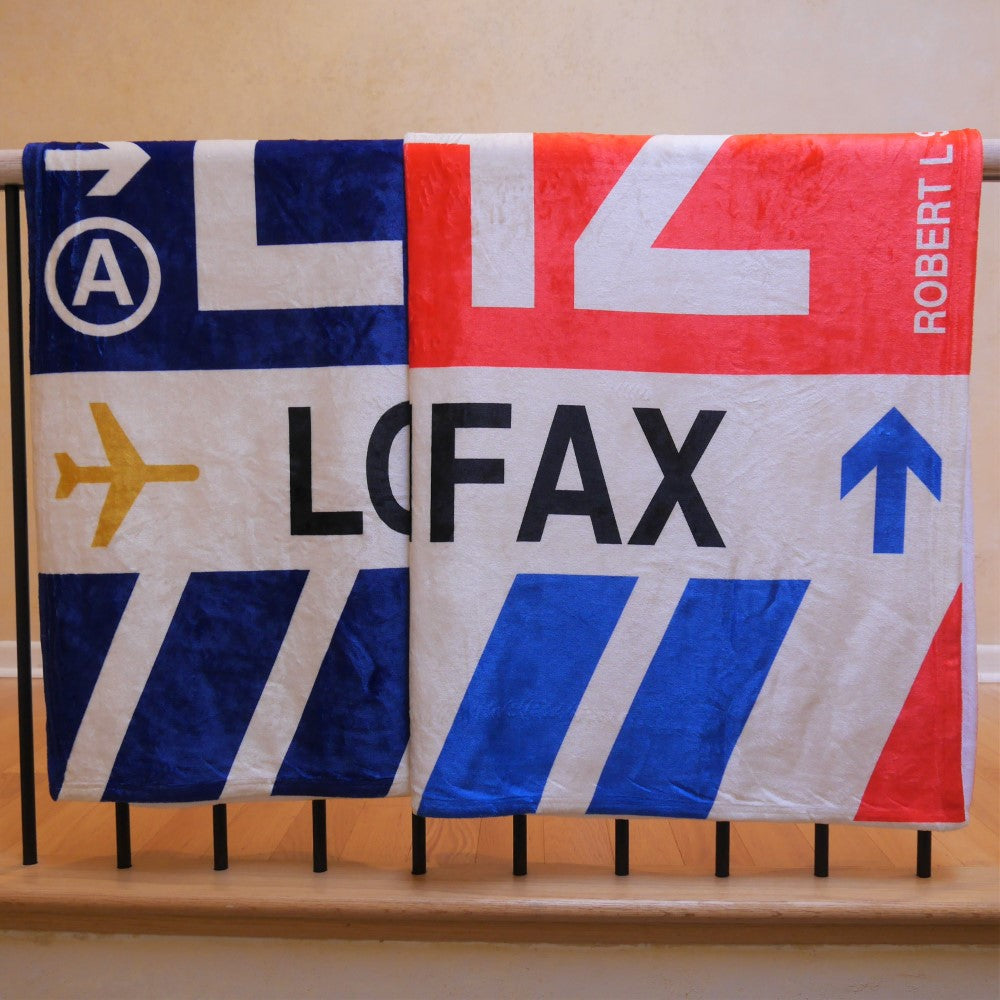
Stay cozy and stylish with our throw blankets, which are perfect for curling up on the couch or adding an extra layer of warmth to your bed. Made from soft and luxurious materials, our throw blankets are as comfortable as they are chic. These blankets invite you to snuggle up and dream of your next Ayers Rock exploit.
Airport Codes
Why airport codes? Because they're more than just letters – they're a symbol of connection and community. By proudly displaying the AYQ airport code, our products showcase Ayers Rock's place in the world. Whether you're a frequent traveller or a proud resident, our airport code gifts serve as a reminder that we're all connected, no matter where life takes us.
Ordering Information
Ready to order your perfect Ayers Rock gift? Here's everything you need to know: ordering online is secure and easy, allowing you to shop from the convenience of your own home. Each product is made to order, minimizing waste and benefitting the environment while adding a personalized touch to every purchase. Explore cities in Australia alone or the entire YHM Designs collection today and find the perfect gift for yourself or someone special. From throw pillows to coffee mugs to prints and more, we have something for everyone. Order yours today and discover the magic of Ayers Rock, wherever your adventures lead.